Required section · Section 1 of 6
A carboy of formalin, a bench, and one label
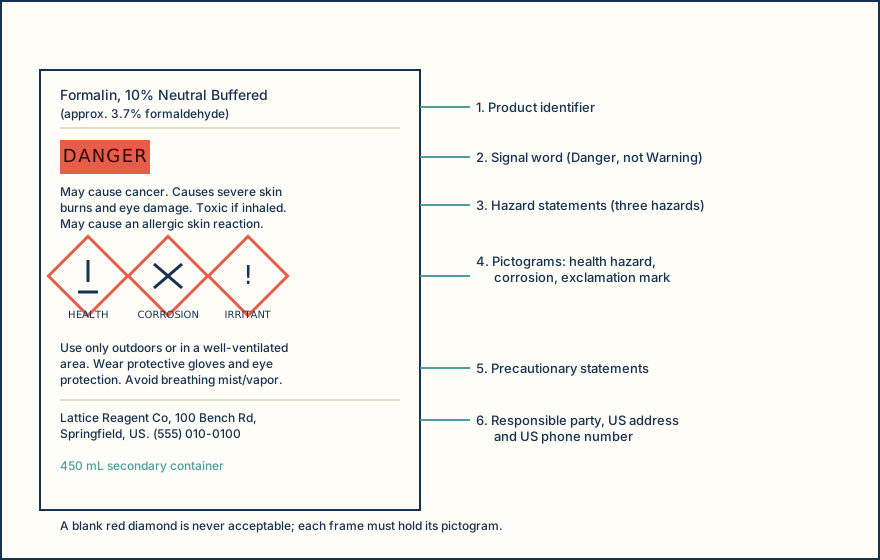
A histology technologist is transferring 10% neutral buffered formalin from a bulk carboy into small 450 mL dispensing bottles at the grossing station. The secondary container label reads signal word Danger, with three pictograms: health hazard, corrosion, and exclamation mark. The hazard statements say the product may cause cancer, causes severe skin burns and eye damage, is toxic if inhaled, and may cause an allergic skin reaction. That is four hazard statements and three separate hazard categories carried by one bottle, not one warning to skim past.
The technologist needs three answers before touching the carboy again: what exactly is this material hazardous for, where does the facility keep the authoritative detail beyond the label, and what controls (ventilation, gloves, storage location, spill response, disposal route) actually apply to this task. The label alone does not carry all of that. The safety data sheet (SDS) does, in a fixed, predictable structure.
A full-shift personal air sample later that day reads 0.6 ppm formaldehyde as an 8-hour time-weighted average (TWA), with a 15-minute short-term sample of 1.4 ppm during the transfer task itself. Those two numbers, compared against OSHA's formaldehyde standard, decide whether this becomes a posted regulated area, whether medical surveillance is offered, and how often monitoring repeats. Guessing at any of this from memory is the wrong method; reading the label and the SDS in order, then checking the numbers against a real standard, is the right one.
Every hazardous-chemical task starts with the same two questions -- what does the label say, and which SDS section answers the specific decision in front of you -- before a bottle is opened, stored, or discarded.
Illustrative drawing — this picture was drawn rather than captured.
Knowledge checks
This section has no knowledge checks.
Section status
Finish this section
Reading and checks are open. Sign in only to save.
The module finishes after every required section is marked done and every check in those sections is correct.